Written By Mel Vautaux & Soleina Karamali, RD
Holiday celebrations and social gatherings often center around shared meals and connection. But for families with picky eaters, these events can bring more stress than joy. Parents may worry about whether there will be any “safe” foods, what others might say, or whether their child will eat at all.
With the right mindset and a simple plan, these gatherings can feel more manageable, and even enjoyable, for both you and your child.
The Set-Up: Why Social Meals Feel Hard
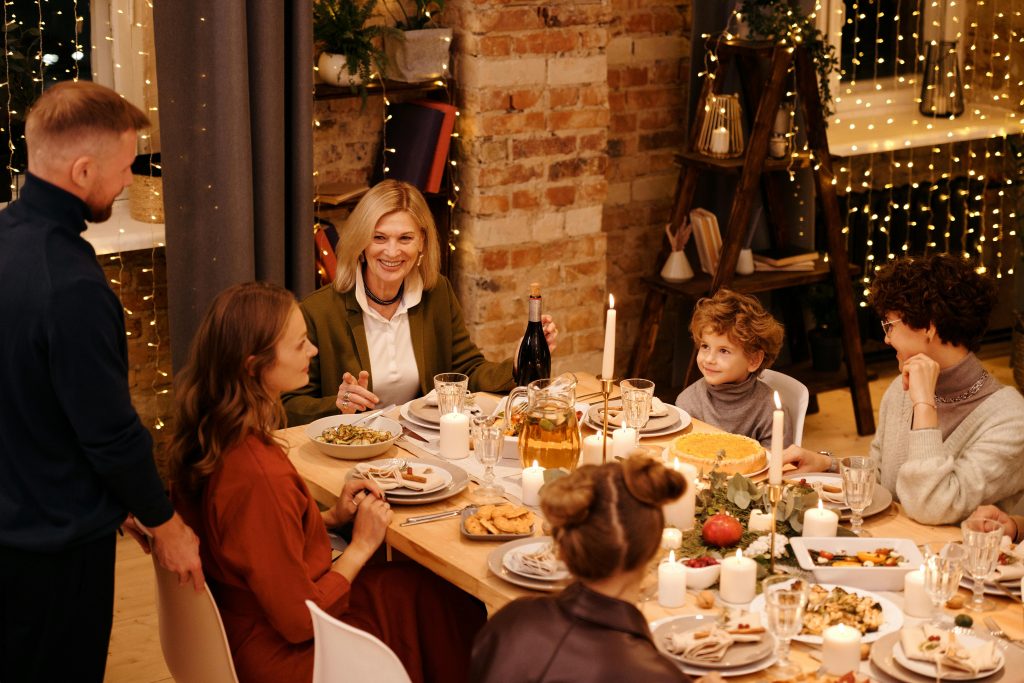
Before food even enters the picture, social gatherings are already highly stimulating. Bright lights, loud conversations, unfamiliar spaces, and large groups can be overwhelming for kids – especially young or sensitive eaters.
On top of that, shared meals outside the home often come with unspoken expectations that differ from your usual routine (think turkey, stuffing or veggies served in new ways). When stimulation, unfamiliar foods, and social pressure collide, it’s important to remember: this is not an ideal environment for trying new foods. And that’s okay.
Environment & Mindset Matter
Trying new foods is a vulnerable experience. Most children are more open to food exploration when they feel safe, regulated, and familiar with their surroundings – conditions that big gatherings rarely provide.
Well-meaning family members might encourage your child to “just try a bite” or offer food directly from their plate. While loving, these comments can feel like pressure to a hesitant eater.
If your child chooses to try something new, keep reactions neutral and ask others to do the same. Big celebrations, praise, or attention can actually make future exploration harder. Remember: no pressure, no performance.
Everyone Has a Place at the Table (even if they aren’t eating)
Just like adults, kids have food preferences and those preferences may not align with a set holiday menu. There’s no need to request a separate meal, but having an action plan can help:
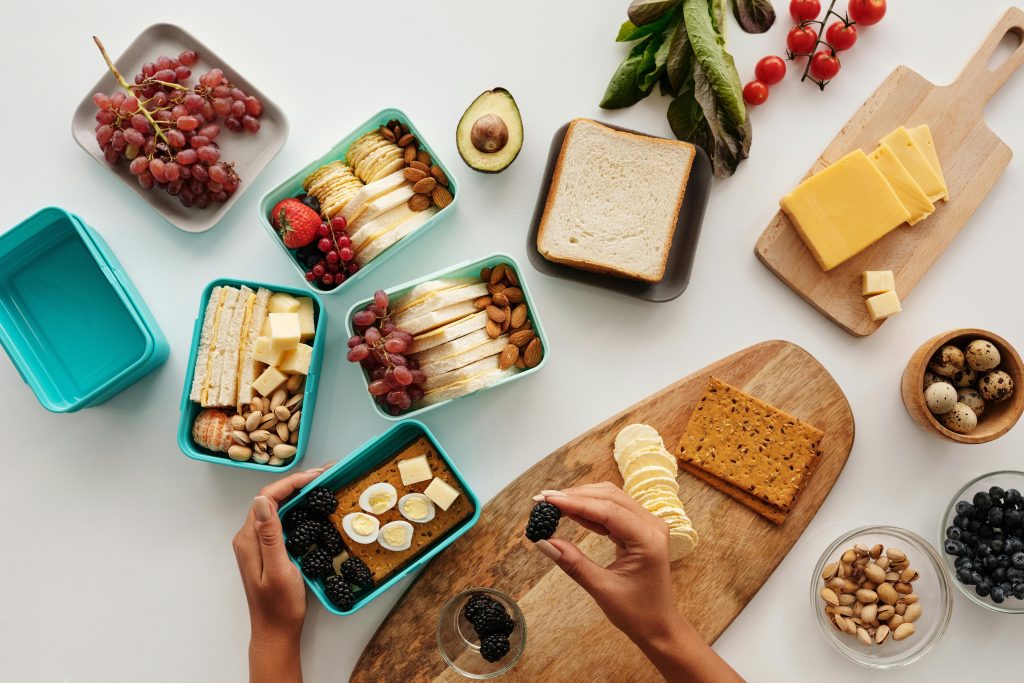
- Offer a familiar snack before the gathering
- Bring a preferred or “safe” food to share if appropriate
- Serve only the familiar components of the meal
If your child refuses to eat anything at the gathering, that’s okay. Remind yourself:
- This is just one meal
- They will have another chance to eat later
- Eating less (or not at all) does not undo progress
The table is about more than food – it’s about connection. Your child still belongs there, even if they’re not eating.
Minimize Outside Input
If comments from others are a concern, setting boundaries ahead of time can reduce pressure significantly. A simple script might sound like:
“We’re letting ___ decide what and how much they eat from the table. Please don’t encourage bites or comment on their eating.”
You can also ask guests to avoid making direct comments to your child about food altogether. This creates a calmer, safer environment, and protects your child’s autonomy.
The Takeaway
Social gatherings aren’t the time to work on expanding variety – and they don’t need to be! By preparing ahead, lowering expectations around eating, and prioritizing safety and connection, you’re supporting your child exactly as they are.
Less pressure. More trust. And a seat at the table always.
If you’re looking for guidance on raising confident, flexible eaters book a session with Every Eater to help navigate feeding with clarity and confidence.